
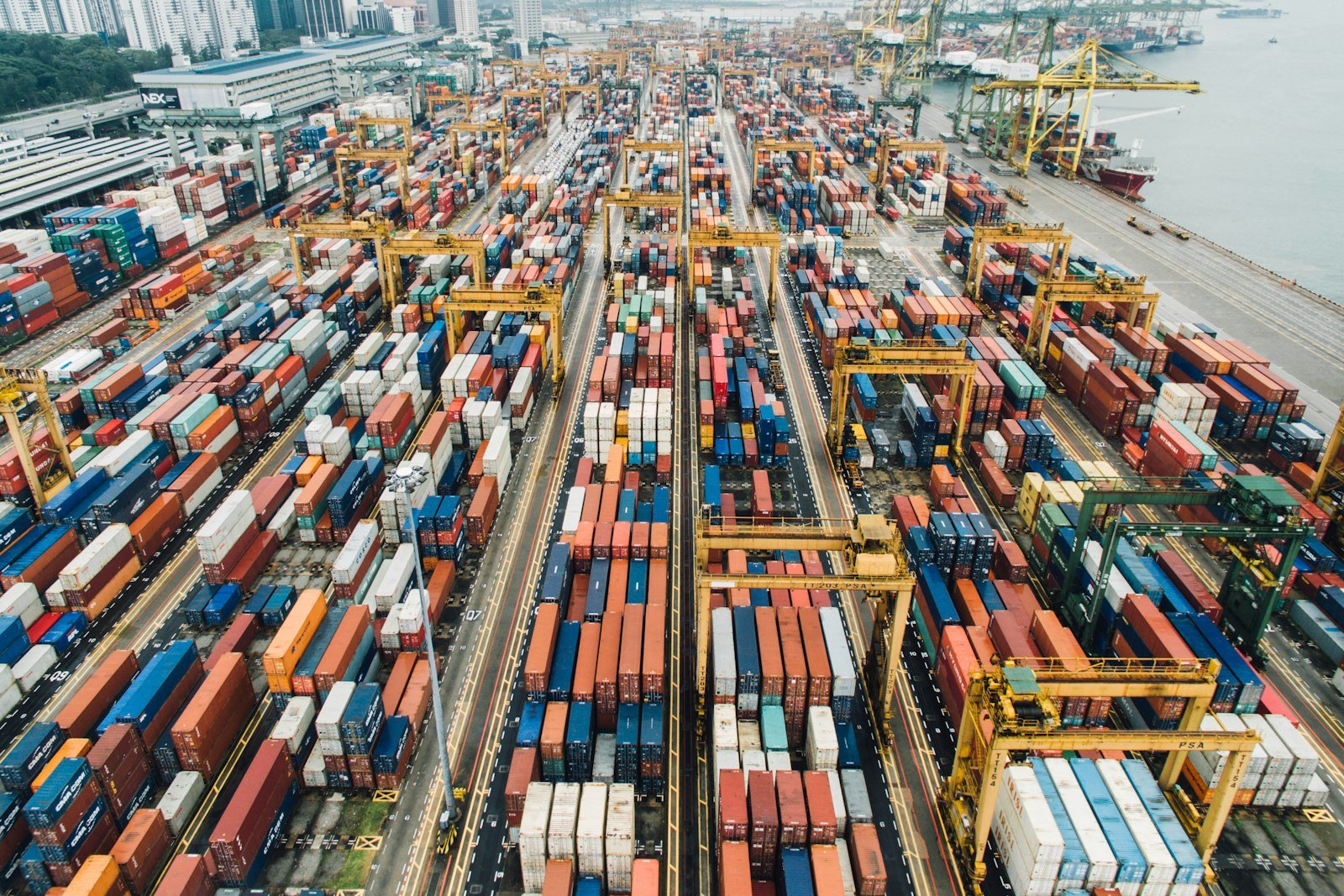
Ask any food brand procurement head what they fear most, and you will not hear 'price.' You will hear 'a missed shipment.' Pricing volatility is a problem buyers know how to manage. A container that does not arrive on the promised week — when shelves are empty, lines are queued, and contracts are being audited — is a problem they cannot.
Reliability is the moat
In a commodity business with thousands of suppliers globally, you cannot win on price for very long. Someone in another origin will eventually quote five cents cheaper. What you can win on — for years — is reliability. The exporter who has never missed a delivery window gets every renewal. The one who missed once, last March, gets put on watch. The one who missed twice gets benched.
The five disciplines of consistent supply
Consistent supply is not luck. It is the output of five specific operational disciplines that compound over time.
- Harvest planning — building a season-ahead view of supply across multiple regions, not relying on a single sourcing belt.
- Supplier redundancy — having at least two qualified co-operatives for every major SKU, so a single failure does not break the chain.
- Grower financing — advance payments at sowing that lock in priority access to the harvest.
- Port relationships — booking container slots months ahead, not days ahead, especially for peak Q4 and Q1 windows.
- Documentation discipline — phytosanitary, COO, fumigation, and BL handled in-house with redundant checks.
Where the misses actually happen
In thirteen years, the near-misses we have lived through have come from surprisingly mundane sources: a port strike that no one saw on a Friday news ticker, a fumigation chamber failure on a Saturday afternoon, a phytosanitary inspector on annual leave, a buyer's bank holiday that delayed a payment confirmation. The big macro risks (weather, geopolitics, freight rates) get most of the headlines. The boring operational risks cause most of the actual misses.
Communication is half the battle
When something does go wrong — and over thousands of shipments, something will — the difference between losing a customer and keeping one is communication. The buyer should hear about the problem from you, before they hear about it from their warehouse manager. Honest, early, specific communication preserves relationships. Silence destroys them.
Reliability compounds
Every on-time shipment is a small deposit in a relationship account. Over five years, those deposits compound into a position no competitor can easily challenge — because reliability cannot be discounted, only earned. That is why operational discipline is, paradoxically, the most strategic investment an agro exporter can make.
Talk to our team
Sourcing what you just read about?
Our export desk replies within 24 hours with specs, MOQs, and pricing — usually faster.