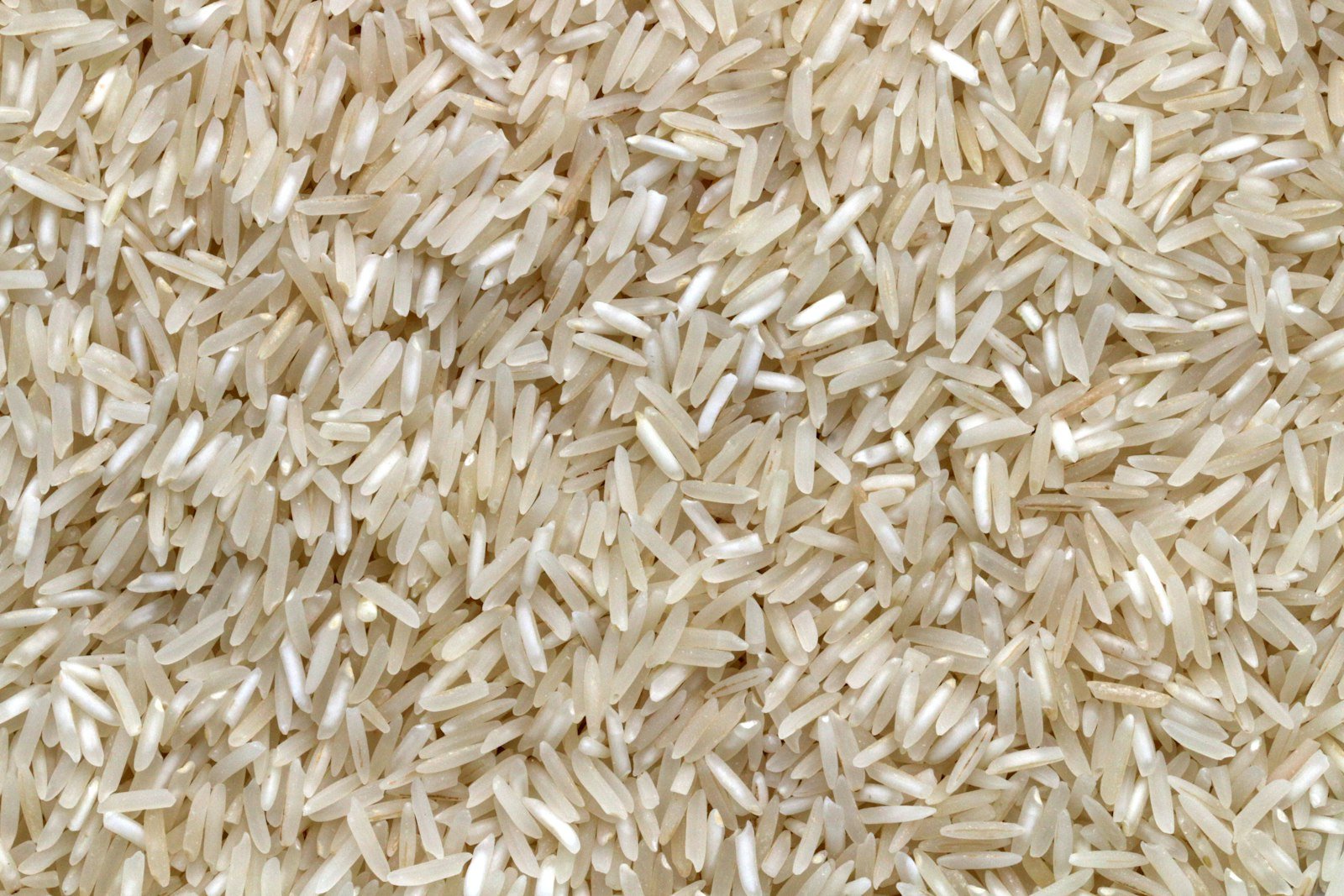
Basmati is one of the most recognised premium agricultural products in global trade — and one of the most frequently mis-specified in buyer contracts. The price difference between a top-tier 1121 Steam and a mediocre Pusa Sella can be 35% or more, and the difference in end-product performance is enormous. This guide walks through the varieties, the quality dimensions, and the contract clauses that protect a buyer from the most common pitfalls.
Why Indian basmati commands a premium
Basmati's premium pricing comes from a combination of geography, genetics, and post-harvest tradition. The crop is grown almost exclusively in the foothills of the Himalayas — Punjab, Haryana, parts of Uttar Pradesh, and adjacent regions in Pakistan. The unique soil, water, and climate combination produces the elongated grain, distinctive aroma, and post-cooking elongation that defines authentic basmati. Indian basmati is also typically aged for 6-12 months before export, which dramatically improves grain integrity during cooking.
Key basmati varieties for export
- 1121 Basmati — the most exported premium variety. Average grain length 8.0-8.4 mm. Elongates to 18-22 mm cooked. Used in biryani, pilaf, and fine-dining applications worldwide.
- Pusa Basmati 1509 — early-maturing, slightly shorter than 1121, lower water requirement. Strong value-for-money grade.
- Pusa Basmati 1718 — improved disease resistance, comparable cooking profile to 1121. Increasingly popular with EU buyers.
- Sharbati — non-PGI (geographical indication) variety; sold as 'basmati-style.' Lower price than true PGI basmati.
- Traditional / Dehraduni Basmati — heritage variety with intense aroma; lower yield, higher premium.
Milling types — Raw, Steam, Sella, Golden Sella
The same paddy can be milled four ways, each producing a distinct end product:
- Raw Basmati — milled directly from dried paddy. Lightest, most fragrant, lower yield, premium pricing.
- Steam Basmati — paddy is steamed under pressure then dried and milled. Higher yield, retains aroma, longer shelf life. The most common export format.
- Sella (Parboiled) Basmati — paddy is soaked, steamed, dried, then milled. Distinctive amber colour, very high yield, longer cooking time. Major Middle East and African format.
- Golden Sella — extended parboiling produces a deeper golden colour. Popular in Saudi Arabia and selected African markets.
Quality grading parameters
Premium basmati buyers specify multiple quality parameters in their contracts. The most important are:
- Average grain length — measured pre-cooking; minimum 7.0 mm for premium 1121; 8.0+ mm for top grades.
- Broken percentage — typically ≤2% for premium grades; ≤5% for standard; up to 25% for 'broken basmati' grades.
- Moisture content — ≤14% for export; rejections common above 14.5%.
- Chalky grain — opaque grains; ≤3% for premium, ≤7% for standard.
- Foreign matter — ≤0.1% organic, ≤0.05% inorganic, zero stones.
- Damaged & discoloured — ≤1% premium, ≤3% standard.
Packaging formats
Basmati ships in a wide variety of formats depending on destination and downstream use:
- 5 kg, 10 kg, 25 kg, 50 kg PP woven bags — bulk wholesale and HoReCa.
- 20 kg jute bags — traditional Middle East trade format.
- 1 kg / 2 kg / 5 kg retail consumer packs — branded or private-label.
- 1 kg vacuum-sealed packs — premium retail and gift formats.
- 10 kg cloth-bag with wooden box outer — gift-grade premium.
Key destination markets
Each major basmati buyer market has slightly different preferences. Iran and Saudi Arabia favour aged 1121 Steam at length specs above 8.0 mm. The UK and EU favour Pusa Basmati 1121 or 1718 with documented residue compliance. African markets are dominated by Sella and Golden Sella formats. The US market is split between Sella for ethnic retail and Steam for premium ethnic and food-service.
Pricing dynamics
Basmati pricing is driven by paddy harvest, ageing inventory levels, and demand from key buyer markets — particularly Iran, which can sway the market significantly. Premium 1121 Steam typically trades $1,200-$1,700 / MT FOB Mundra depending on grade and season. Pusa varieties trade 15-25% below 1121. Plan long-tenor contracts (3-6 months) for best price stability.
Contract clauses that protect a buyer
- Variety guarantee — specific variety name, PGI compliance, optional DNA test right.
- Length specification — average grain length with sampling methodology.
- Cooking test — pre-shipment cooking sample to verify aroma, elongation, and stickiness.
- Age statement — paddy harvest year and milling date.
- Moisture and broken limits — explicit, with rejection rights above tolerance.
- Inspection right — buyer-nominated independent inspector at origin.
- Phytosanitary, residue, and origin documentation — handled in-house by exporter.
Talk to our team
Sourcing what you just read about?
Our export desk replies within 24 hours with specs, MOQs, and pricing — usually faster.