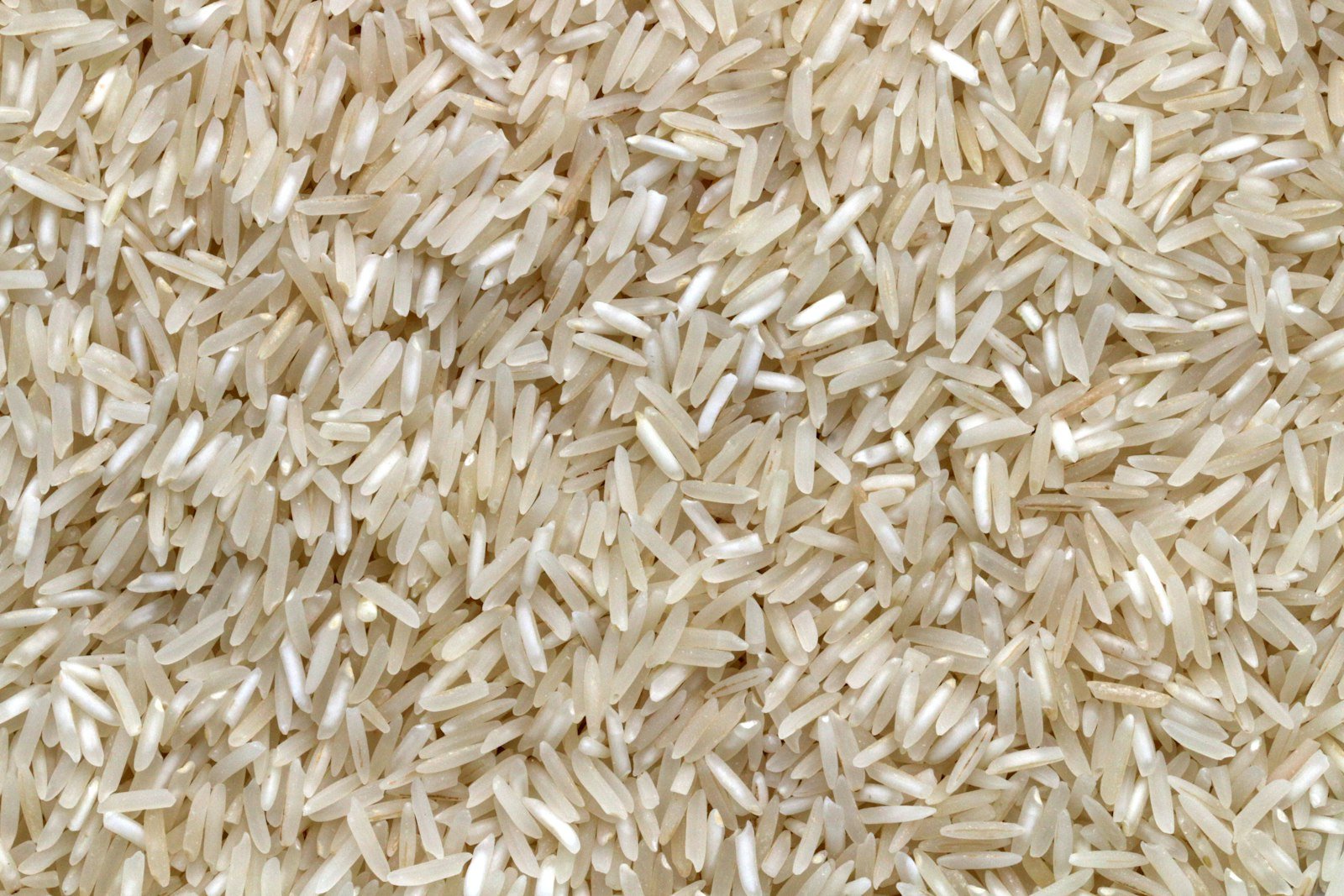
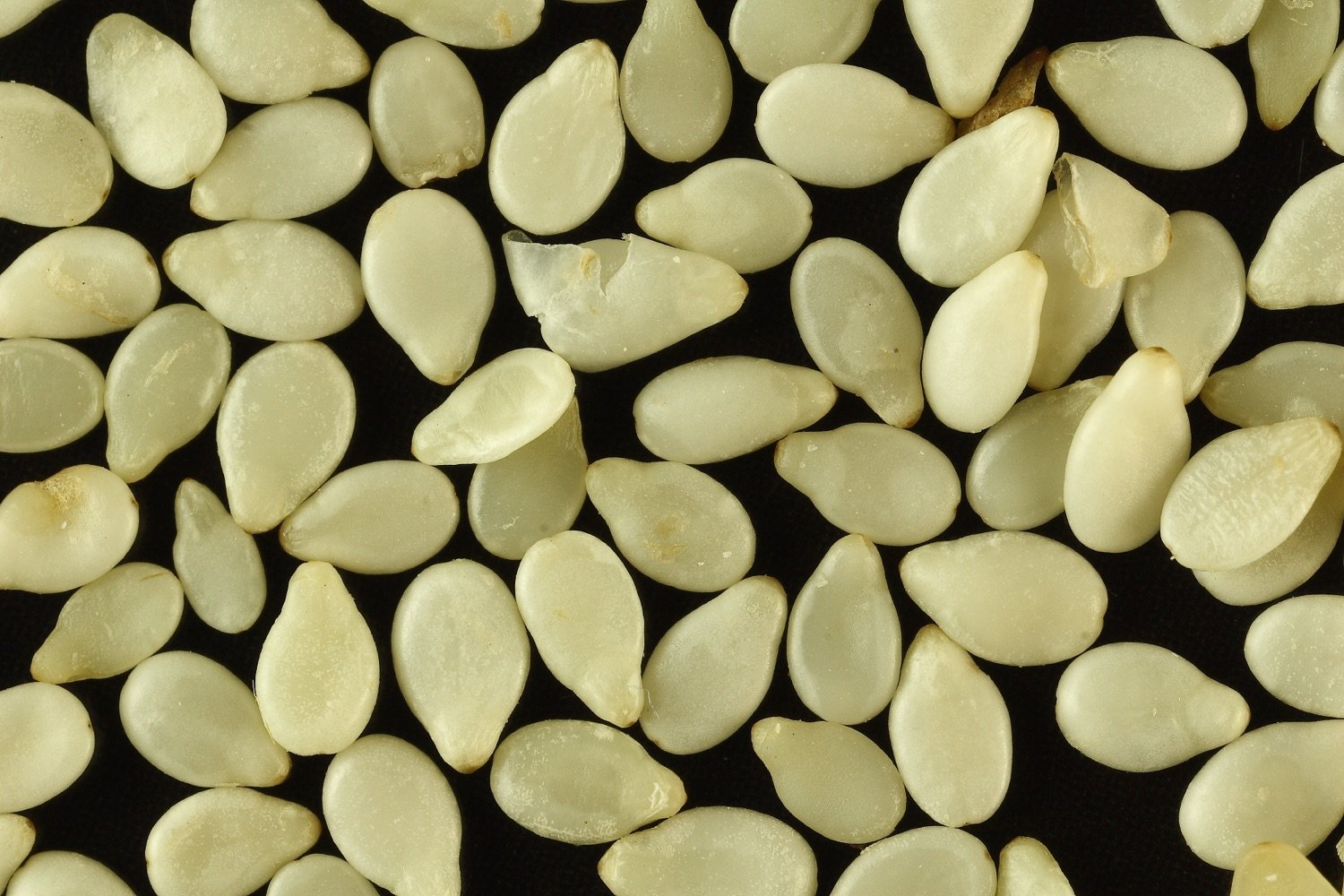
India is the world's largest sesame producer and second-largest exporter, supplying premium white hulled, natural, and black sesame to buyers across the Middle East, Europe, East Asia, and North America. If you are sourcing sesame from India for the first time — or rebuilding your supplier roster — this guide is a one-stop primer on origins, grades, pricing, and the contract details that matter.
Key Indian sesame origins
- Gujarat — the heartland for natural and hulled white sesame. Saurashtra and Kachchh districts lead production. Best-in-class for cleanliness and oil content.
- Madhya Pradesh — strong producer of natural white sesame for the South-East Asian market.
- Rajasthan — known for higher-oil-content seed; often blended with Gujarat origin.
- Maharashtra & Karnataka — emerging black sesame production for niche markets.
- Uttar Pradesh — bulk natural sesame for the regional South Asian trade.
Sesame varieties for export
Sesame is traded internationally in three primary forms, each with distinct uses, pricing, and quality parameters.
- Hulled white sesame — mechanically hulled, bright white in colour, low FFA. Used in confectionery, bakery, tahini, and sushi rice. Commands the highest premium.
- Natural white sesame — un-hulled with husk on. Used in oil extraction, sweets, and snack toppings. Larger volume, lower price.
- Black sesame — high in lignans, used in pharmaceutical, ayurvedic, and high-end culinary applications. Smaller volume but premium prices.
Grades and specifications
Indian sesame is typically graded by purity percentage, oil content, FFA, and admixture limits. The two most commonly traded specs for hulled white are:
- Sortex 99.95% / 99.98% — sortex-machine cleaned, purity %, moisture ≤6%, FFA ≤2%, oil content ≥50%. Standard for EU and Middle East buyers.
- Sortex 99.99% / Confectionery grade — ultra-clean, purity %, used in high-end bakery and confectionery applications. Premium pricing.
Pricing dynamics
Indian sesame pricing is driven by harvest yield, domestic oil demand, and international competition (primarily from Sudan, Tanzania, and Ethiopia). Prices typically peak in pre-harvest months (April-June) and bottom in post-harvest (November-January). Plan large contracts around the harvest cycle, not around your buying calendar.
Premium hulled white sesame typically trades 18-28% above natural sesame, reflecting processing cost and yield loss during hulling. Black sesame trades 15-25% above natural white, depending on lignan content and origin verification.
Certifications and documentation
For most international destinations, you should expect — and demand — the following documentation:
- FSSAI licence — Indian food safety regulator approval (mandatory for the exporter).
- APEDA registration — agricultural export authority registration.
- Phytosanitary certificate — issued by Indian Plant Quarantine.
- Fumigation certificate — methyl bromide or alternative, depending on destination.
- Certificate of Analysis (COA) — third-party NABL-accredited lab report.
- Halal certificate — for Middle East destinations.
- Kosher certificate — for selected US food-manufacturing buyers.
Shipping ports and lead times
Indian sesame ships primarily from Mundra and Kandla in Gujarat (closest to the major sourcing belt), with Nhava Sheva used for destinations with limited Mundra service. Typical lead times from PO confirmation to vessel sailing are 12-18 days for FCL shipments, with 24-32 days additional sailing time to most major destinations.
Contract terms worth negotiating
- Incoterm — FOB Mundra is most common; CIF and DAP available for established buyers.
- Payment — TT or LC at sight standard; CAD for repeat buyers.
- Quality clause — explicit purity %, FFA limit, moisture limit, and rejection threshold.
- Delivery window — firm 7-day window, not 'approximately' or 'by month-end.'
- Force majeure — clear definitions especially around climate-induced harvest failures.
- Inspection — buyer's right to nominate a third-party inspector at origin (SGS, Bureau Veritas).
Talk to our team
Sourcing what you just read about?
Our export desk replies within 24 hours with specs, MOQs, and pricing — usually faster.